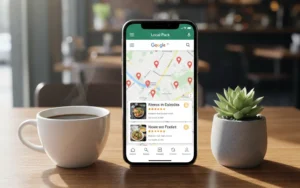


94% of diners say online reviews influence their restaurant choices. A single star increase on Yelp can lead to a 5-9% increase in revenue. Yet most restaurants leave their online reputation to chance, responding sporadically to reviews and hoping for the best.
Restaurant review management is the systematic process of monitoring, generating, and responding to customer feedback across all platforms. Done well, it improves your local SEO rankings, converts more browsers into diners, and turns satisfied customers into vocal advocates.
This guide covers practical strategies you can implement today. For the complete picture of how reviews fit into your overall online presence, see our comprehensive SEO for Restaurants guide.
94%
of diners say online reviews influence where they choose to eat
Why Reviews Matter for Restaurant SEO
Reviews directly influence your visibility in local search results. Google explicitly lists reviews as a ranking factor for local businesses, and restaurants are among the most reviewed business categories online.
Reviews as a Direct Ranking Signal
Google evaluates several review-related factors when determining local pack rankings:
- Review quantity – More reviews signal popularity and customer engagement
- Review velocity – A steady stream of new reviews indicates ongoing relevance
- Review recency – Recent reviews matter more than old ones
- Review diversity – Reviews across multiple platforms strengthen credibility
- Keywords in reviews – Customer mentions of your cuisine type or location help relevance
According to Whitespark’s 2026 Local Search Ranking Factors study, review signals account for approximately 17% of local pack ranking factors, and their importance has increased year over year. A restaurant with 200 reviews averaging 4.5 stars will typically outrank a competitor with 50 reviews at 4.8 stars.
Reviews Impact Click-Through Rate
Star ratings display prominently in search results. A 4.5-star restaurant sitting next to a 3.8-star competitor will capture more clicks even if both rank in the same local pack. This higher click-through rate creates a virtuous cycle: more clicks signal relevance to Google, potentially improving rankings further.
Reviews Drive Conversion
Beyond rankings, reviews directly influence whether searchers become customers. Potential diners read reviews to answer specific questions: Is the food good? Is the service reliable? Is it worth the price? Detailed positive reviews answer these questions and reduce the perceived risk of trying a new restaurant.
Your Google Business Profile displays your overall rating prominently. This single number often determines whether someone clicks through to learn more or scrolls to the next option.
Getting More Reviews Ethically
Most satisfied customers never think to leave a review unless you ask. The restaurants with the most reviews are not necessarily the best – they are simply the best at asking.
In-Restaurant Tactics
The best time to request a review is immediately after a positive experience while the memory is fresh.
QR codes are the most effective in-restaurant tool. Place them on receipts, table tents, check presenters, and near the exit. Link the QR code directly to your Google review page (search “Google review link generator” to create a direct link). Remove any friction between the request and the action.
Staff training matters enormously. Train servers to recognize positive signals – compliments on the food, requests for the chef’s name, photos being taken – and make personalized requests at these moments. “I’m so glad you enjoyed the pasta! If you have a moment, a Google review would mean a lot to us” works better than generic signs.
Physical reminders like small cards included with checks can prompt reviews. Keep the message simple: “Loved your meal? Tell Google!” with a QR code. Avoid lengthy explanations.
Digital Follow-Up
If you collect customer contact information through reservations, loyalty programs, or online ordering, use it for review requests.
Email follow-ups sent 24-48 hours after a visit catch customers while the experience is still memorable but after they have left and have time to write. Keep emails short and include a direct link to your Google review page.
SMS requests (with permission) achieve higher open rates than email. A simple text like “Thanks for dining with us! Would you share your experience? [Google review link]” converts well.
Timing matters. Sending requests at 10am the day after a dinner visit tends to perform better than immediate requests or those sent days later.
What NOT to Do
Never offer incentives for reviews. “Leave a review for 10% off your next visit” violates Google’s guidelines and can result in reviews being removed or your profile being penalized.
Never buy fake reviews. Google’s algorithms detect patterns of fake reviews, and the consequences include profile suspension.
Never review gate. Directing only satisfied customers to public review sites while routing complaints elsewhere (called “review gating”) violates platform policies.
Responding to Positive and Negative Reviews
Responding to reviews signals engagement to Google and shows potential customers you value feedback. Response rate itself may be a minor ranking factor, but more importantly, your responses shape how future customers perceive your restaurant.
Why You Must Respond to Every Review
Every review response is public. When someone reads reviews, they also read your responses. A thoughtful response to a negative review can demonstrate professionalism and care. A warm response to a positive review encourages others to share their experiences.
Responses also provide opportunities to include keywords naturally. “Thank you for visiting our Italian restaurant in downtown Austin” reinforces location and cuisine signals without appearing spammy.
Responding to Positive Reviews
Personalize every response. Reference specific dishes, occasions, or details they mentioned. Generic responses like “Thanks for the review!” feel automated and impersonal.
Positive Review Response Template
“Thank you so much, [Name]! We’re thrilled you enjoyed the [specific dish they mentioned]. Our chef takes pride in [relevant detail about the dish or preparation]. We look forward to welcoming you back for [seasonal special, new menu item, or another dish]. Thank you for being part of our [restaurant name] family!”
Include a natural keyword when appropriate: “…enjoyed the handmade pasta at our Italian restaurant” or “…welcome you back to our downtown location.”
Invite them to return with a specific reason: a seasonal menu change, upcoming event, or dish they should try next time.
Responding to Negative Reviews
Negative reviews require careful handling. Your response is not really for the unhappy customer – it is for everyone else who will read it when considering your restaurant.
Respond within 24-48 hours. Speed demonstrates attentiveness.
Acknowledge and apologize. Even if you disagree with the criticism, acknowledge their experience: “We’re sorry your visit didn’t meet expectations.”
Avoid defensiveness. Never argue, make excuses, or blame the customer publicly. Even if the complaint seems unfair, a defensive response looks worse than the original review.
Take it offline. Offer to resolve the issue privately: “We’d like to make this right. Please contact us at [email/phone] so we can discuss how to improve your experience.”
Negative Review Response Template
“[Name], thank you for sharing your feedback. We’re genuinely sorry your experience with [specific issue if mentioned] didn’t meet expectations. This isn’t the standard we hold ourselves to, and we take your comments seriously. We’d appreciate the opportunity to make this right – please reach out to us directly at [email] so we can discuss this further. We hope to have the chance to provide you with a better experience.”
If you successfully resolve the issue offline, some customers will update or remove their negative review. Even if they do not, your professional response shows future readers that you handle problems with grace.
Managing Reviews Across Platforms
While Google matters most for SEO, customers leave reviews on multiple platforms. Each platform reaches different audiences and serves different purposes.
Platform Priority for Restaurants
| Platform | SEO Impact | Best For |
|---|---|---|
| Highest | Local pack rankings, Maps visibility | |
| Yelp | Medium | Urban areas, younger demographics |
| TripAdvisor | Medium | Tourist destinations, hotels nearby |
| Low | Community engagement, events | |
| OpenTable | Low | Verified diner reviews, reservations |
Focus your review generation efforts on Google first. Once you have a healthy Google review profile (100+ reviews, 4.0+ stars), expand attention to secondary platforms relevant to your customer base.
Review Monitoring
You cannot respond to reviews you do not see. Set up monitoring so you catch new reviews quickly.
Free options:
- Enable notifications in your Google Business Profile
- Claim your Yelp business page and enable alerts
- Set up Google Alerts for your restaurant name
- Check Facebook and TripAdvisor manually weekly
Paid options: Reputation management software like Birdeye, Podium, or ReviewTrackers aggregates reviews from all platforms into a single dashboard, making monitoring and response faster.
For most single-location restaurants, free monitoring tools are sufficient. Multi-location restaurants or those receiving high review volume may benefit from paid solutions.
Turning Reviews into SEO Assets
Reviews can work for your SEO beyond the platforms where they originate. Strategically using review content on your own website strengthens your local search presence.
Embedding Reviews on Your Website
Display your best reviews on your homepage and relevant pages. This serves multiple purposes:
- Provides social proof to website visitors
- Adds fresh, user-generated content to your pages
- Includes natural language and keywords from real customers
- Increases time on page as visitors read testimonials
Use a review widget that pulls from Google or displays reviews you manually select. Update displayed reviews periodically to keep content fresh.
Review Schema Markup
Implementing AggregateRating schema markup can display star ratings in organic search results. This rich snippet increases click-through rates significantly.
Your local SEO strategy should include proper schema markup across your site. Review schema tells Google: “This page has verified reviews with this average rating from this many reviewers.”
Technical Note
Google has tightened requirements for review rich results. Only use AggregateRating schema if you are displaying actual reviews on the page and the reviews are for the specific business or location, not just testimonials or imported third-party ratings.
Using Review Insights
Reviews contain valuable data beyond SEO. Pay attention to:
- Frequently mentioned dishes – These may deserve more prominent menu placement or marketing
- Common complaints – Patterns indicate operational issues to address
- Language customers use – Incorporate their words into your marketing and website copy
- Competitor mentions – Reviews comparing you to competitors reveal positioning opportunities
Reading reviews is market research. Customers tell you what matters to them in their own words.
Next Steps
Effective restaurant review management requires consistent effort, not occasional attention. Set up monitoring so you never miss a review. Train your team to request reviews at the right moments. Respond to every review – positive and negative – within 48 hours.
Reviews are one component of a complete restaurant SEO strategy. For the full picture including Google Business Profile optimization, local keywords, and website improvements, read the complete SEO for Restaurants guide.
Part of our Restaurant SEO series
This guide is part of our complete SEO for Restaurants resource. See the main guide for the full strategy.
Frequently Asked Questions
How do I get more Google reviews for my restaurant?
The most effective ways to get more Google reviews include asking customers at the right moment (after a positive interaction), using QR codes on receipts and table tents that link directly to your Google review page, sending follow-up emails or texts 24-48 hours after their visit, and training staff to make personalized requests. Never offer incentives for reviews as this violates Google’s guidelines.
Should I respond to negative restaurant reviews?
Yes, always respond to negative reviews within 24-48 hours. A professional response shows potential customers you care about feedback. Acknowledge the issue without being defensive, apologize for their experience, and offer to resolve the situation offline. Never argue publicly. A thoughtful response to a negative review can actually improve your reputation more than the negative review damaged it.
Do restaurant reviews affect SEO rankings?
Yes, reviews significantly impact local SEO rankings. Google considers review quantity, recency, velocity (how fast you get new reviews), and diversity across platforms. Reviews containing keywords related to your cuisine or location can also help rankings. Restaurants with more reviews and higher ratings consistently rank higher in the local pack than competitors with fewer reviews.
Which review platforms matter most for restaurants?
Google reviews are most important for SEO and visibility in local search. Yelp remains influential especially in urban areas and among younger diners. TripAdvisor matters significantly for restaurants in tourist destinations. Facebook reviews affect social proof and discovery. Focus your efforts on Google first, then expand to platforms most relevant to your customer base and location.
Can I remove fake or unfair restaurant reviews?
You can flag reviews that violate platform guidelines (spam, fake reviews, conflicts of interest, irrelevant content). Google and Yelp will review flagged content but removal is not guaranteed. Reviews that are simply negative but reflect a real experience typically cannot be removed. Your best strategy is to generate enough positive reviews that occasional unfair ones have minimal impact on your overall rating.
Need Help Managing Your Restaurant’s Online Reputation?
Build a review strategy that improves rankings and fills tables. Schedule a Consultation